A brief public service announcement about information, illusion, and the occasional goose.
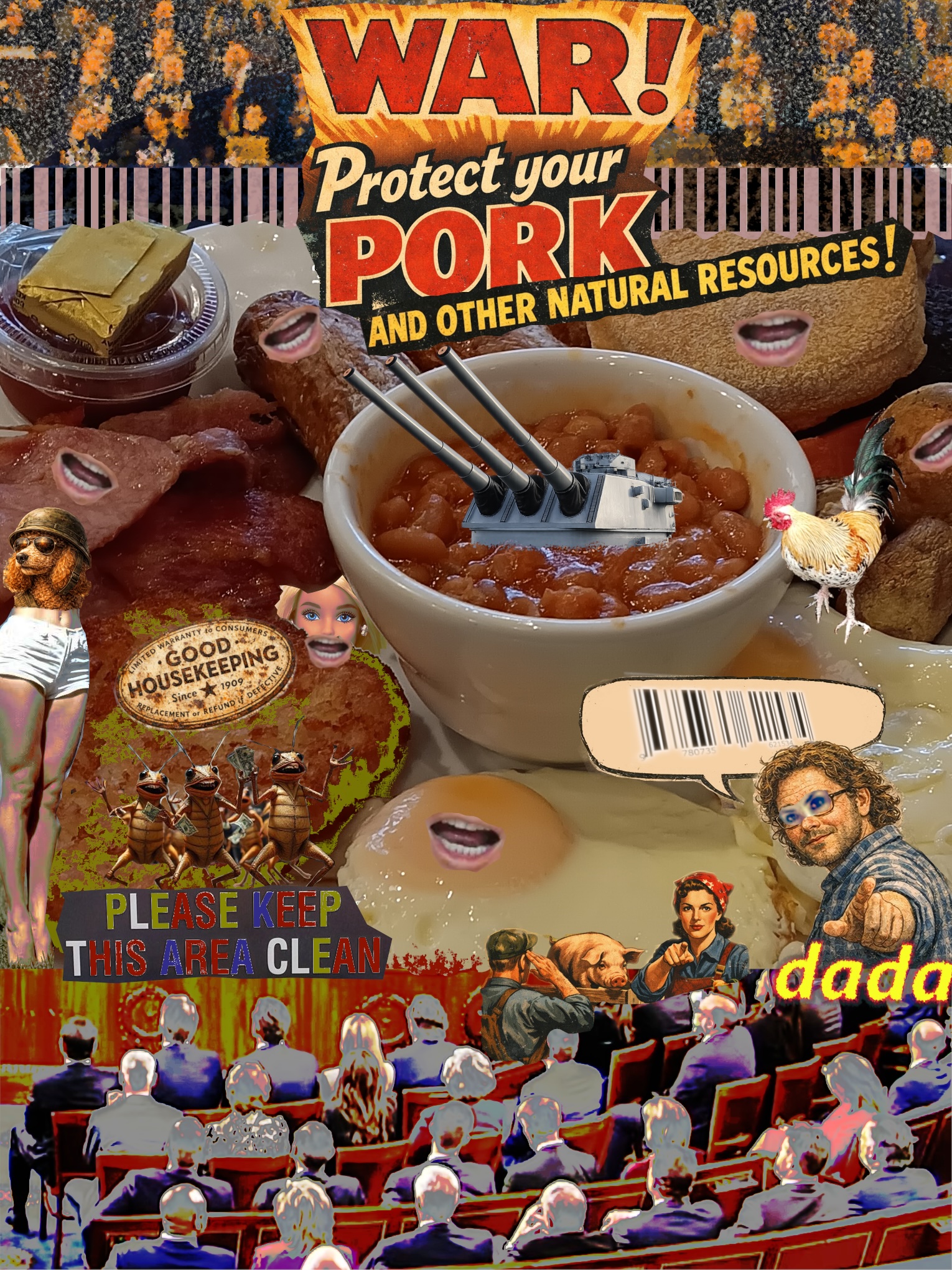
“Breaking News! We interrupt our regular broadcast with another manipulative editorial disguised as information …”
Free speech is one of the most celebrated principles of modern democratic society. In the United States, the First Amendment to the United States Constitution is often invoked as a kind of civic talisman—proof that the government cannot interfere with public debate. The idea is intentionally simple, elegant, and deeply reassuring. Citizens speak. Ideas compete. Truth eventually rises to the surface.
That is the theory. Money in the bank.
Reality, as usual as the usual suspects, arrives wearing stranger clothes—and sometimes even no clothes at all.
The modern argument over disinformation often begins with social media or the mainstream media (MSM). Governments claim they must tread carefully because courts have reinforced limits on official pressure against platforms and so-called news agencies. Speech online, specifically, is therefore treated as something like an untamed prairie—dangerous, noisy, unpredictable. Foreign actors exploit it. Local rabble-rousers bang on their gongs. Rumors flourish. Conspiracy theories multiply like mushrooms after rain or a bad rash after careless enthusiasm with questionable seafood.
Yet, while this digital frontier is described as chaotic, history tells a different story about earlier media landscapes—those tidy decades when newspapers and broadcast networks supposedly maintained order and credibility, if not journalistic ethics, albeit capitalistic ones.
Those landscapes were never quite as neutral as nostalgia suggests.
During the Civil War, Abraham Lincoln authorized the closure of newspapers sympathetic to the Confederacy. During World War I, Woodrow Wilson enforced the Espionage Act of 1917, which turned certain forms of dissent into criminal offenses. In the mid-twentieth century, Franklin D. Roosevelt used regulatory pressure through the Federal Communications Commission to challenge radio broadcasters who criticized his administration.
And still the First Amendment remained intact. The marble columns did not crack. The Constitution stayed politely framed on the wall. No Trumpesque plaques were required.
Meanwhile, the white noise of the machinery of influence hummed quietly in the background.
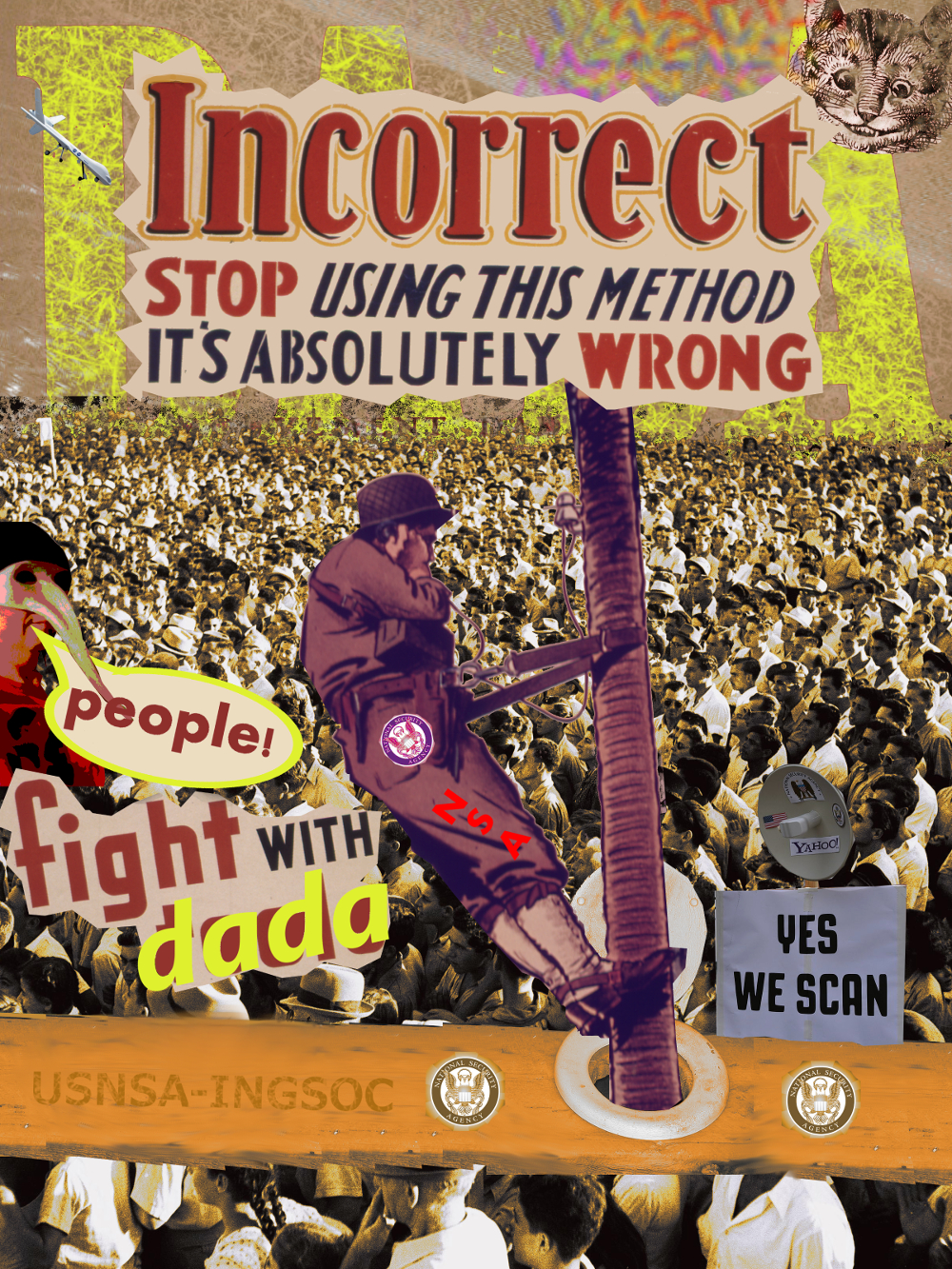
Sometimes influence arrived through intelligence services. During the Cold War, relationships between journalists and the Central Intelligence Agency (CIA) became part of a broader effort commonly associated with Operation Mockingbird. The method was rarely blunt censorship. Instead it relied on whispers, access, selective leaks, and the ancient art of narrative framing.
“Control the story and you rarely need to silence the storyteller,” said the joker to the thief.
Major national traumas illustrate how powerful that dynamic can be. After the assassination of John F. Kennedy, the findings of the Warren Commission quickly became the dominant explanation through extensive coverage in major media outlets. During the civil rights era, the Federal Bureau of Investigation (FBI) attempted to discredit activists such as Martin Luther King Jr. through covert operations conducted under COINTELPRO.
The official explanation travels first class, doesn’t it?
Doubt arrives on foot—and of that there is no doubt.
Even the stranger corners of American history reveal similar patterns. In 1947, the military initially reported that a “flying disc” had been recovered near Roswell Army Air Field, only to reverse the story in the morning and describe the debris as a weather balloon. Morning regrets. Later disclosures suggested that ridicule itself became a convenient strategy. Laugh at something long enough and people eventually stop asking questions.
Ridicule, it turns out, is cheaper than censorship—and what sticks to the wall stays on the wall.
No wonder the aliens don’t visit us.
Well, not really.
In the twentieth century these dynamics operated inside a relatively small ecosystem. Major newspapers, television networks, and radio stations depended on government access—briefings, licenses, embedded reporting opportunities, exclusive information. Influence moved through those channels quietly, like air through ductwork and grass through a goose. The public rarely saw the vents, but more often than not stepped in the droppings.
The digital era has rearranged both the furniture and the architecture.
Social media platforms do not depend on Washington in quite the same way. They are global, decentralized, unruly. Governments can attempt to pressure them, but the relationship lacks the quiet intimacy that once existed between officials and legacy media.
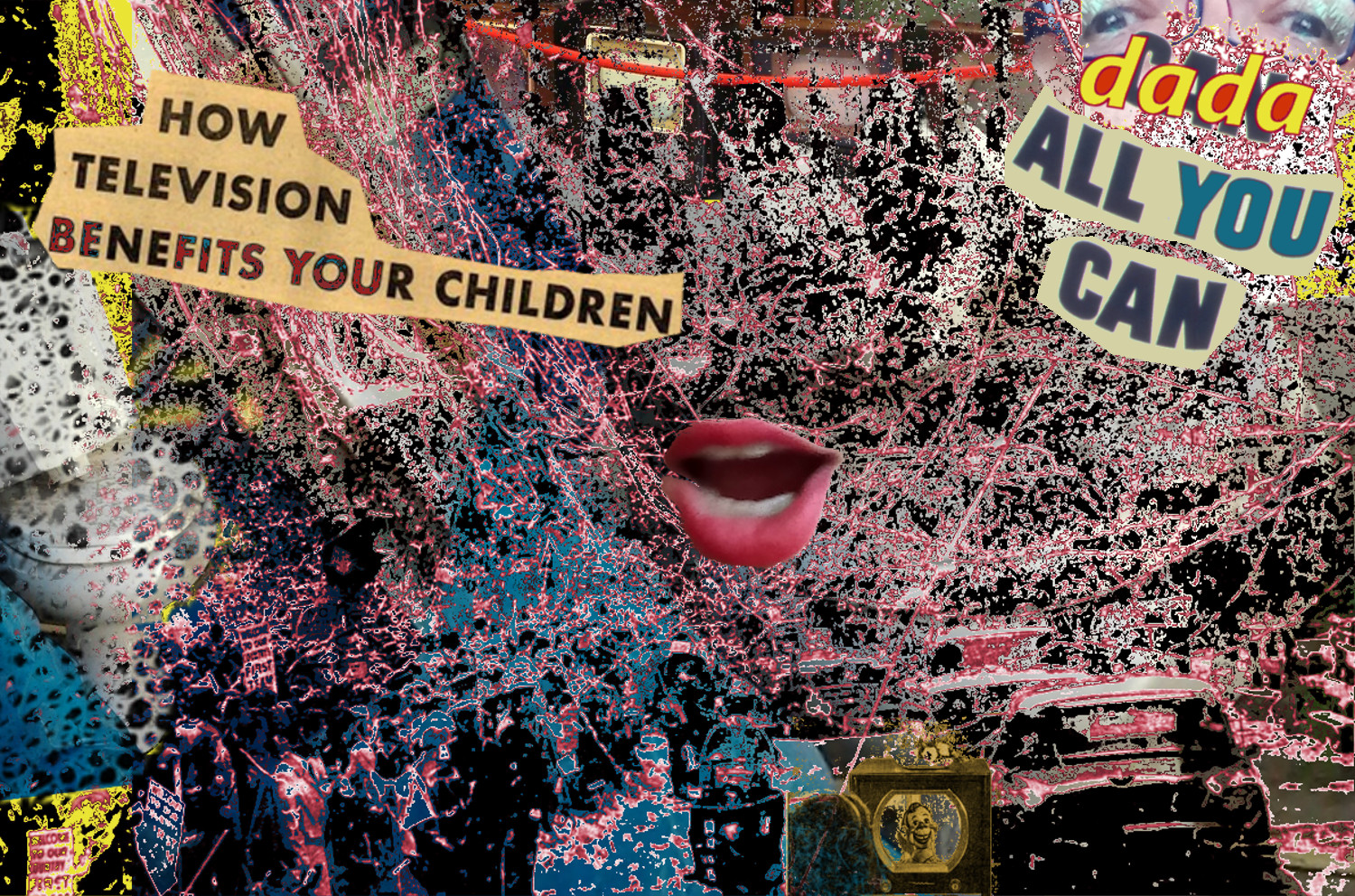
The result is a new kind of informational theater. Foreign governments now run propaganda campaigns through bots, fabricated videos, and viral narratives. The current conflict involving Iran has produced a flood of manipulated images and coordinated messaging designed to shape public perception far beyond the battlefield—let alone anything resembling the unspun truth.
“Come on in and sit a spell,” drones the invitation to a free public viewing.
And yet the public discussion about disinformation often follows a predictable script. Propaganda is attributed to extremists. To racists. To conspiracy theorists lurking in obscure corners of the internet.
History suggests a more awkward truth—popcorn not included.
Propaganda rarely belongs exclusively to the fringe. Nor is this phenomenon uniquely American. Every state that possesses power eventually discovers the utility of narrative management.
States have always participated in shaping the stories citizens believe about war, politics, and national identity. Democratic governments, authoritarian regimes, intelligence agencies, activist movements—all operate within the same informational arena, each trying to bend perception slightly closer to its own version of reality.
The methods differ.
The objective rarely does.
The theater is the same.
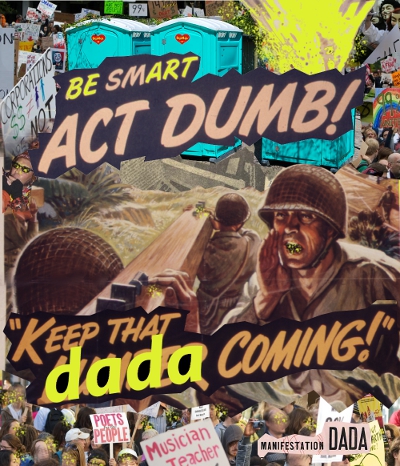
A century ago, another generation confronted a similar problem. In the aftermath of the First World War, artists associated with the Dada movement began reacting to the patriotic slogans and newspaper propaganda that had filled Europe during the conflict. Writers such as Tristan Tzara and performers like Hugo Ball concluded that political language itself had become strangely detached from reality. Their response was not silence but irony and absurdity. They answered solemn slogans with satire, fractured sentences, and deliberate absurdity—an artistic way of holding a mirror up to the contradictions of official narratives.
This is where the paradox of free speech becomes visible.
Free speech protects the right to speak without punishment from the state. It does not guarantee that the informational landscape surrounding those words will remain untouched by power. Governments influence narratives. Corporations influence narratives. Media institutions influence narratives. Even algorithms influence narratives, quietly deciding which voices echo and which dissolve into digital silence. The pot calls the kettle black while the mixer accuses the blender of agitation.
Speech is free.
Attention is not.
And somewhere in the crowd Goosey Loosey is still spreading the news that the sky is falling.
Perhaps that is the uncomfortable truth hidden inside the American devotion to free expression. The principle itself is genuine. The law protects it. The courts defend it. Pass the salt and the SALT treaty.
Yet, influence flows everywhere around it, like water finding its way through a sieve.
The result is a peculiar modern condition. Citizens speak freely, argue loudly, and debate endlessly—while powerful institutions quietly compete to shape the story those voices inhabit.
Nothing in life is free.
Not food.
Not war.
Not information.
And perhaps not even free speech itself—except, occasionally, the illusion of it.
The Tide Turned
Music and lyrics by Jay Leonard Schwartz (ASCAP)

All through the year, give the gift that keeps on confusing—one of my novels! My latest absurd work is Tricksters, Crackers and Gods, part of my Lost Florida series.
Available in Kindle and Paperback. Read it. Gift it. Do it.
 Loitering Words